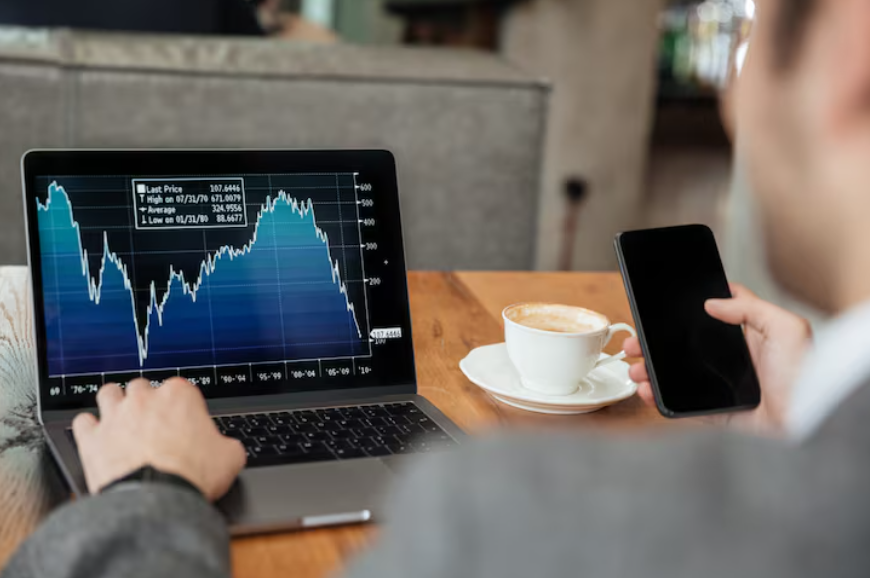
Global trade explained with benefits risks and economic impact now.
Global trade plays a central role in modern economies by enabling countries to exchange goods and services. It supports economic growth, increases efficiency, and creates opportunities for businesses and consumers worldwide in interconnected markets today.
Through international exchange, nations can specialize in producing goods efficiently. This allows better allocation of resources and improves productivity across industries and sectors in different regions worldwide today.
Global trade also strengthens economic relationships between countries. Cooperation and agreements help maintain stability, promote development, and support long term economic growth across global markets and systems worldwide today.
Understanding global trade helps individuals and businesses make informed decisions. Awareness of international markets supports better planning and improves financial opportunities in a dynamic global economic environment today.
Global Trade and Digital Economy
Global trade is increasingly influenced by the digital economy and technological advancements worldwide. Online platforms enable faster transactions, reduce barriers, and create new opportunities for businesses and consumers across interconnected global markets today.
E commerce has transformed how goods are exchanged internationally. Businesses can reach global audiences directly, improving efficiency and expanding access to products across different regions and markets worldwide today.
Digital services are also becoming a major component of global trade. Technology allows countries to export services such as software, finance, and consulting, contributing to economic growth worldwide today.
Understanding global trade in the digital era helps individuals and businesses adapt strategies. Awareness supports better decision making and improves competitiveness in rapidly evolving global economic environments worldwide today.
What Is Global Trade
Global trade refers to the exchange of goods and services between countries. It includes imports and exports, allowing nations to access products that may not be available domestically across different markets worldwide today.
This system is supported by trade agreements and international regulations. These frameworks help ensure fair practices and facilitate smooth transactions between countries in global markets worldwide today.
Global trade involves multiple sectors including manufacturing, agriculture, and services. Each plays a role in economic development and contributes to overall growth across nations worldwide today.
Understanding global trade provides insight into economic systems. It helps individuals recognize how international exchange affects prices, availability of goods, and financial opportunities across different regions worldwide today.
Benefits of Global Trade
Global trade offers several benefits for economies worldwide. It increases access to goods and services, improves efficiency, and supports economic growth across different regions and industries worldwide today.
Countries benefit from specialization in production. This allows them to produce goods more efficiently and trade for others, improving productivity and reducing costs globally today.
Consumers gain access to a wider variety of products. This increases choice and can lead to lower prices due to competition across markets worldwide today.
Understanding global trade benefits helps individuals make better financial decisions. Awareness supports smarter purchasing and investment choices in interconnected global markets today.
Global Trade and Digital Economy
Global trade is increasingly influenced by the digital economy and technological advancements worldwide. Online platforms enable faster transactions, reduce barriers, and create new opportunities for businesses and consumers across interconnected global markets today.
E commerce has transformed how goods are exchanged internationally. Businesses can reach global audiences directly, improving efficiency and expanding access to products across different regions and markets worldwide today.
Digital services are also becoming a major component. Technology allows countries to export services such as software, finance, and consulting, contributing to economic growth worldwide today.
Understanding the digital era helps individuals and businesses adapt strategies. Awareness supports better decision making and improves competitiveness in rapidly evolving global economic environments worldwide today.
Risks and Challenges
Also presents challenges and risks for economies worldwide. Economic imbalances, trade disputes, and market volatility can affect stability across different regions globally today.
Dependence on international markets can create vulnerability. Disruptions in supply or demand can impact economies and industries worldwide today.
Trade barriers such as tariffs and regulations may limit exchange. These restrictions can increase costs and reduce efficiency across markets worldwide today.
Understanding risks helps individuals and businesses prepare. Awareness supports better decision making and risk management in global economic environments today.
Impact on Economic Growth
Contributes significantly to economic growth across countries. Increased exports and imports support production, create jobs, and improve income levels in various industries worldwide today.
Trade encourages innovation and competition. Businesses must improve efficiency and quality to compete in international markets worldwide today.
Economic expansion is often linked to strong trade activity. Countries engaged in global markets tend to experience faster development and growth worldwide today.
Understanding impact helps individuals evaluate opportunities. Awareness supports better financial planning and investment decisions globally today.
Global Trade and Employment
Global trade influences employment across industries. Increased exports create jobs in production, logistics, and services sectors worldwide today.
However, competition can also affect local industries. Some businesses may struggle to compete with international producers, impacting employment worldwide today.
Workforce adaptation is important in changing markets. Skills development helps individuals remain competitive in global economies worldwide today.
Understanding helps individuals navigate job markets. Awareness supports better career decisions and financial stability worldwide today.
Future of Global Trade
Global trade will continue evolving with technology and policy changes worldwide. Digital transformation and automation will shape future trade systems globally today.
Sustainability will influence trade practices. Environmental considerations are becoming more important in global economic strategies worldwide today.
Geopolitical factors will also impact trade relationships. Cooperation and conflict between countries will shape future global markets worldwide today.
Understanding trends helps individuals prepare. Awareness supports better decision making in changing economic environments worldwide today.
Conclusion
Global trade remains essential for economic development and global cooperation. Understanding its benefits and risks helps individuals and businesses navigate complex economic systems worldwide today.
Improving knowledge of international markets supports better decisions. Awareness helps manage risks and identify opportunities in global economies worldwide today.
Although challenges exist, trade continues driving growth and innovation. Adaptation and planning are key to long term success worldwide today.
Staying informed about is important. Knowledge supports stronger financial strategies and future stability in a dynamic global economy worldwide today.